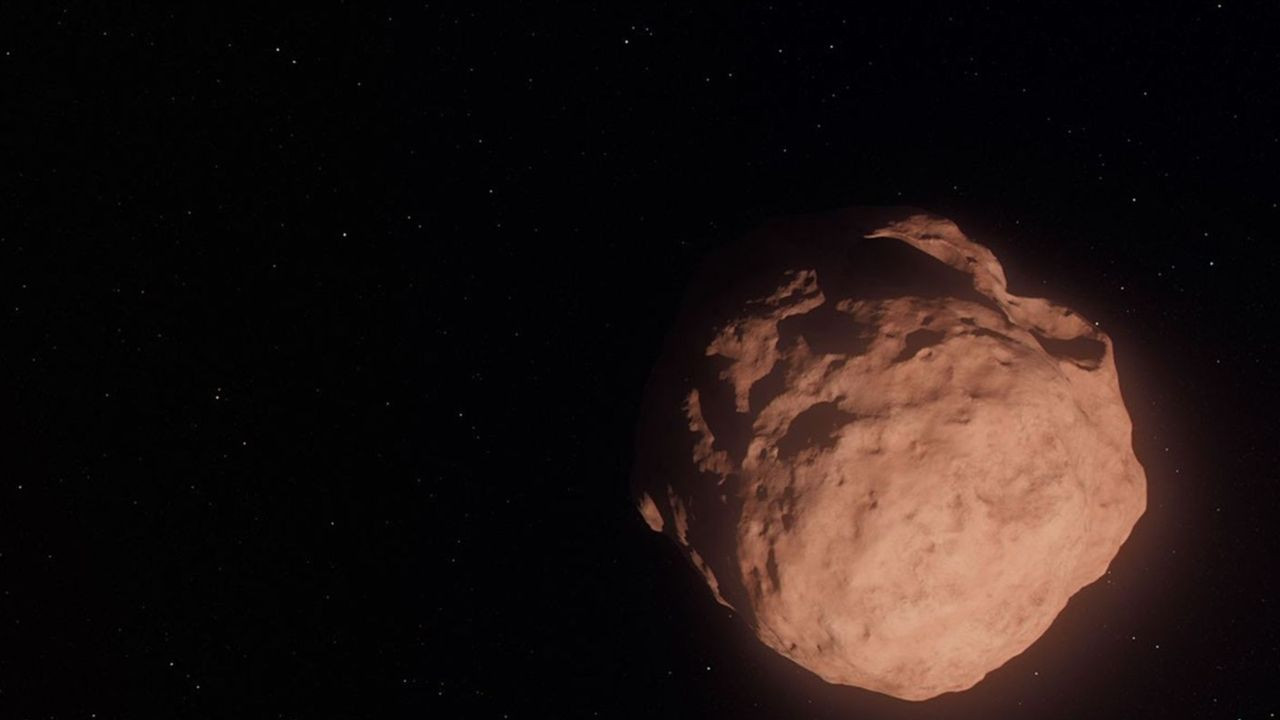
NASA’s Hubble and James Webb space telescopes have jointly identified twenty-seven previously unknown celestial bodies residing in the outer solar system, specifically located past Neptune's orbit. These newly detected objects are described as “tiny” by researchers utilizing both observational platforms. Initial observations suggest these small bodies exhibit unusual characteristics that warrant further investigation. Scientists believe this discovery represents a significant expansion of our understanding regarding the composition and distribution of material within the distant reaches of our planetary neighborhood. Further study is planned to determine their precise nature and origin, potentially shedding light on the early formation processes of the solar system.
Continue reading at www.space.com
This PlaneNews briefing summarizes reporting originally published by www.space.com.
Read the original article →