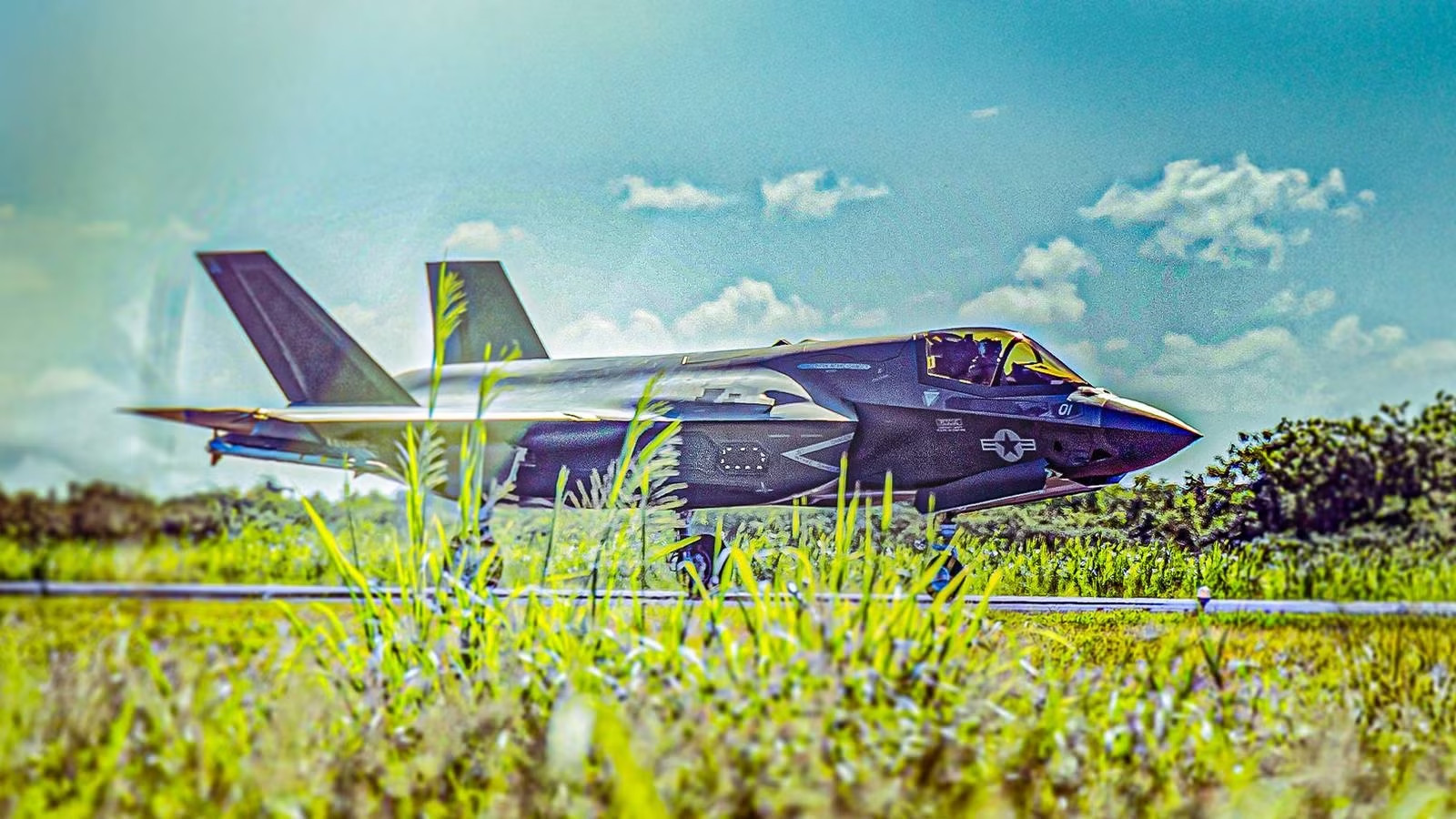
Lockheed Martin's selection of a single engine for the F-35 program was primarily influenced by several key factors including the aircraft’s Short Takeoff Vertical Landing (STOVL) capabilities, overall weight considerations, and the pursuit of component commonality across all three variants of the fighter jet. Prioritizing STOVL necessitated a powerful engine design to enable both vertical landing and short takeoff operations, which would have been significantly more complex and heavier if two engines were utilized. Furthermore, maintaining a unified platform through shared components – a core tenet of the F-35 development – demanded a streamlined engineering approach that proved challenging with dual-engine configurations. The decision reflects a strategic trade-off between performance requirements and operational efficiency, ultimately shaping the F-35's unique characteristics. This singular engine architecture remains central to the aircraft’s capabilities and its integration into diverse mission profiles.
Continue reading at simpleflying.com
This PlaneNews briefing summarizes reporting originally published by simpleflying.com.
Read the original article →