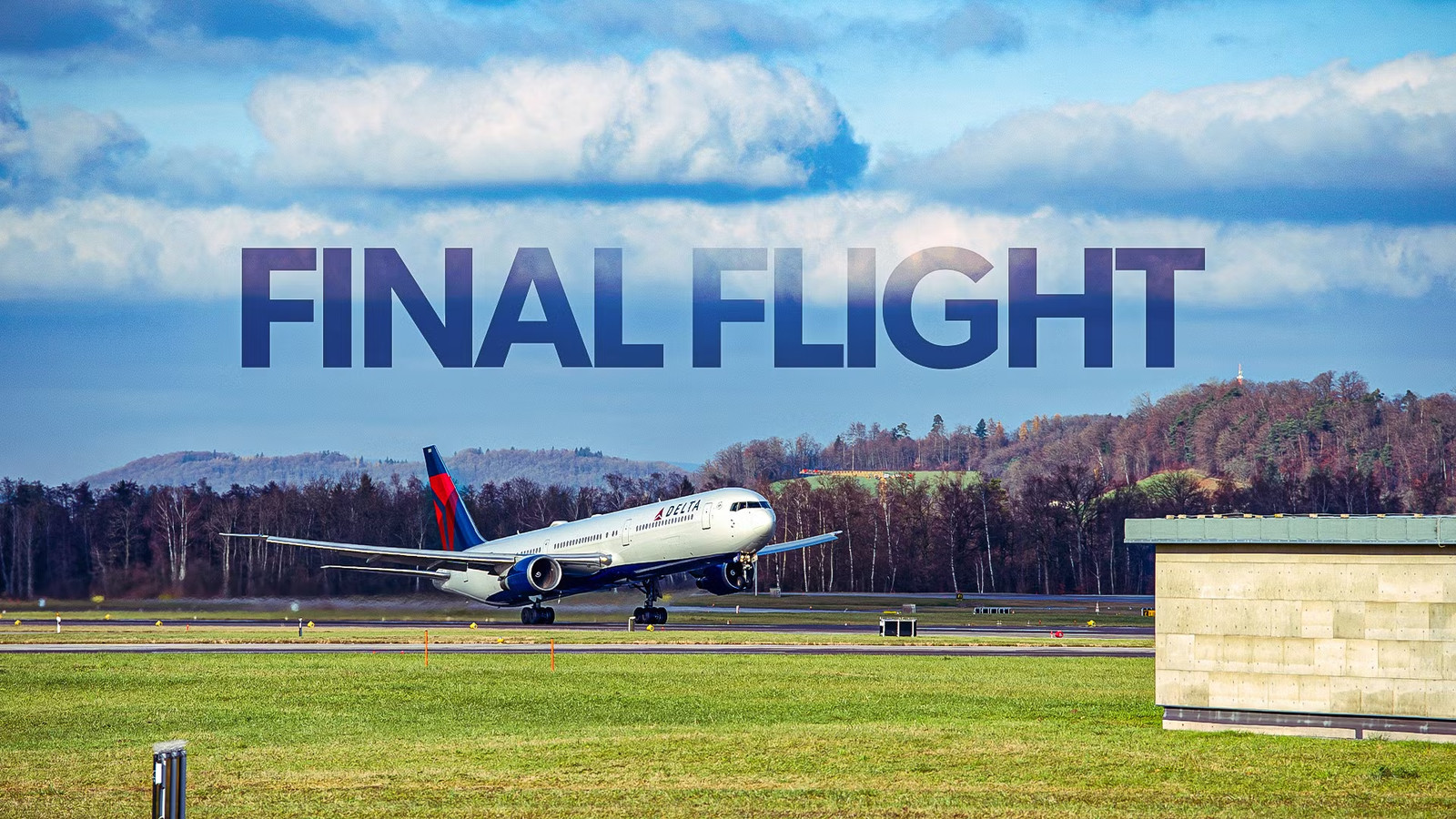
The retirement of a wide-body commercial airliner is rarely an immediate event; it’s typically characterized by a prolonged and intricate procedure. This extended timeline stems from numerous logistical considerations surrounding the aircraft's disposition following its last scheduled flight. Several factors contribute to this length, including extensive inspections, regulatory approvals, and the complex processes involved in transferring ownership or dismantling the plane. The exact duration of this transition period varies considerably depending on the airline’s specific circumstances and contractual agreements. Ultimately, transitioning a widebody aircraft out of service requires meticulous planning and adherence to stringent aviation standards.
Continue reading at simpleflying.com
This PlaneNews briefing summarizes reporting originally published by simpleflying.com.
Read the original article →