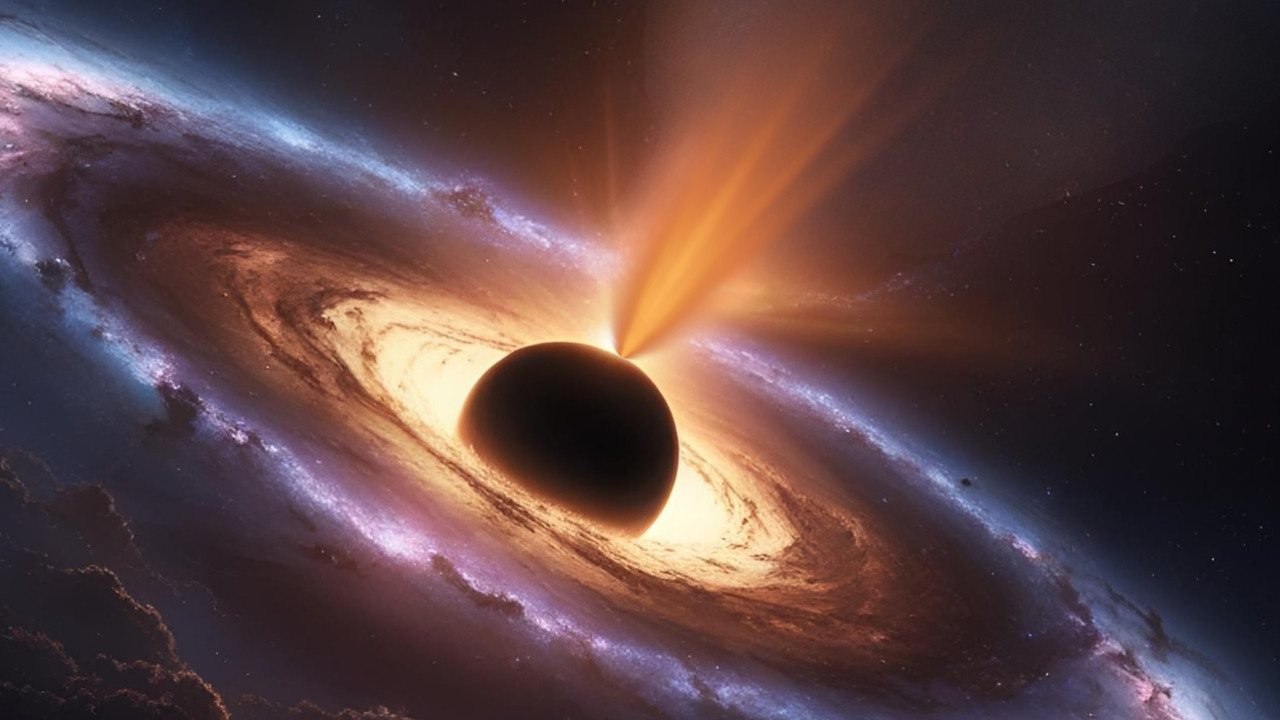
New research suggests that some of the largest supermassive black holes initially identified by the James Webb Space Telescope might have been significantly overestimated in size. Observations indicate these behemoths, previously thought to reside at the centers of very young galaxies, could actually be smaller than originally calculated. Scientists are re-evaluating data from JWST, focusing on detailed analysis of light emitted from around these objects. This revised understanding challenges current models of galaxy formation and evolution during the early universe. The findings prompt a reassessment of how frequently such large black holes formed within nascent galactic structures.
Continue reading at www.space.com
This PlaneNews briefing summarizes reporting originally published by www.space.com.
Read the original article →