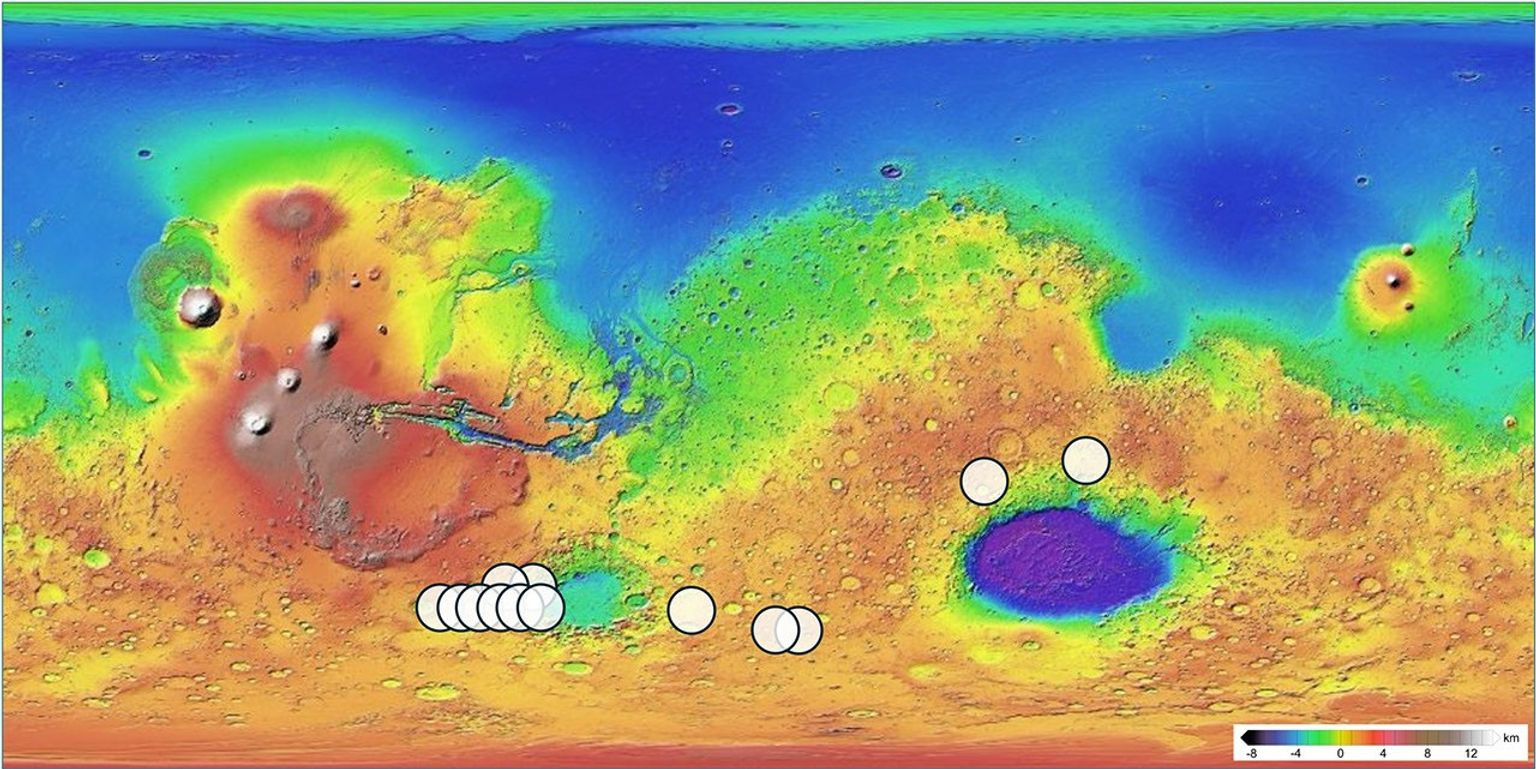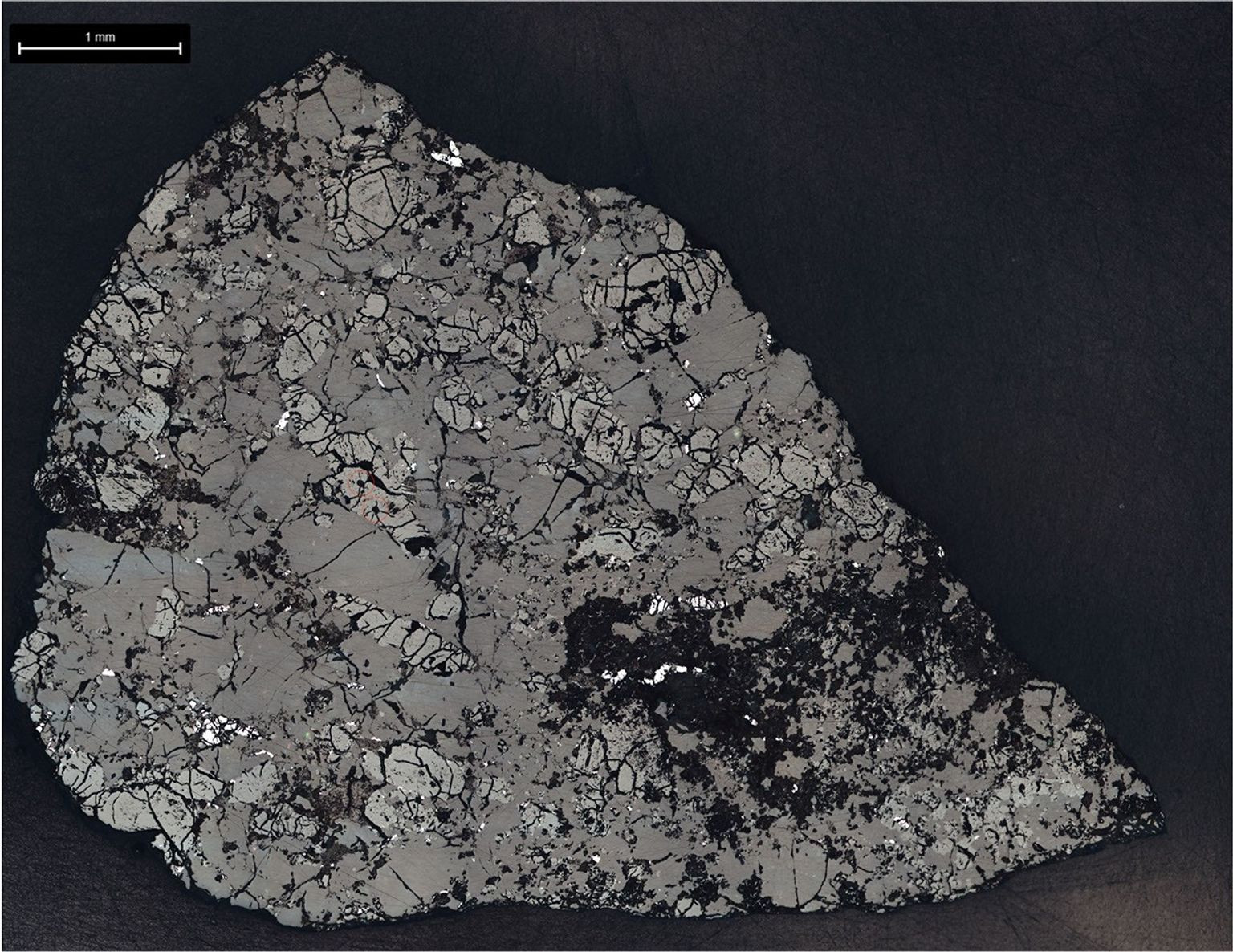
Scientists utilized a fragment of the Teghaza 001 meteorite, an exceptionally old Martian specimen recovered on Earth, to establish the geological age of the rock itself. The analysis relied heavily on reflected light imagery, functioning as a crucial guide for researchers. These detailed images enabled scientists to precisely locate specific mineral deposits within the meteorite sample. Researchers employed various analytical instruments to study these identified minerals in detail. This investigation into Teghaza 001 contributes significantly to our understanding of Mars’s ancient history and composition.
Continue reading at www.nasa.gov
This PlaneNews briefing summarizes reporting originally published by www.nasa.gov.
Read the original article →