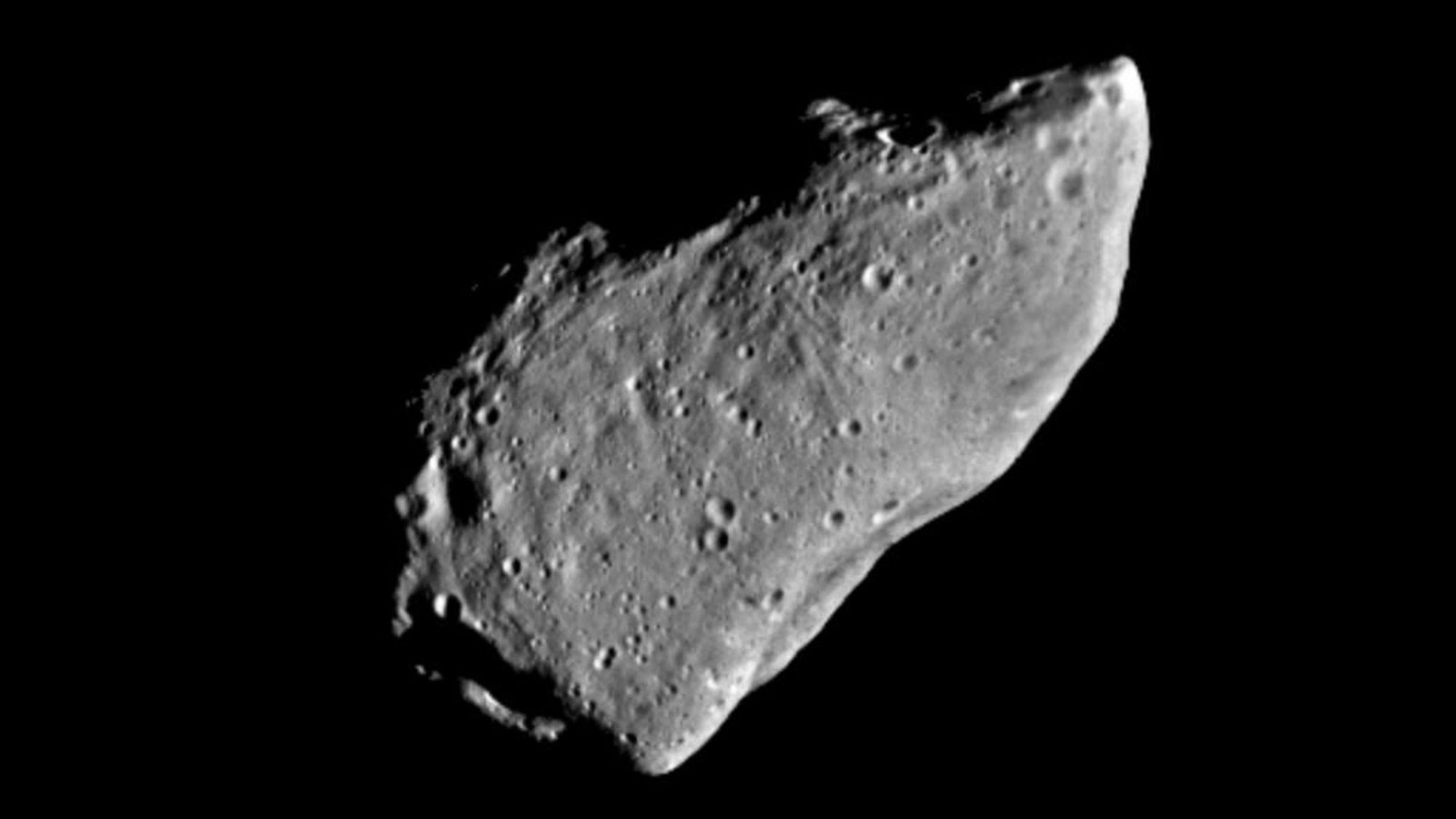
NASA’s Galileo spacecraft achieved a significant milestone on October 29, 1991, when it executed a flyby of the asteroid Gaspra. During this event, the probe traveled at an impressive speed of approximately 18,000 miles per hour as it navigated its trajectory toward Jupiter. The mission provided scientists with unprecedented close-up images of Gaspra, revealing detailed surface features and characteristics. This maneuver was crucial in gathering valuable data for understanding the composition and formation processes of asteroids within our solar system. Scientists were able to study the asteroid while traveling at such high speeds.
Continue reading at www.space.com
This PlaneNews briefing summarizes reporting originally published by www.space.com.
Read the original article →