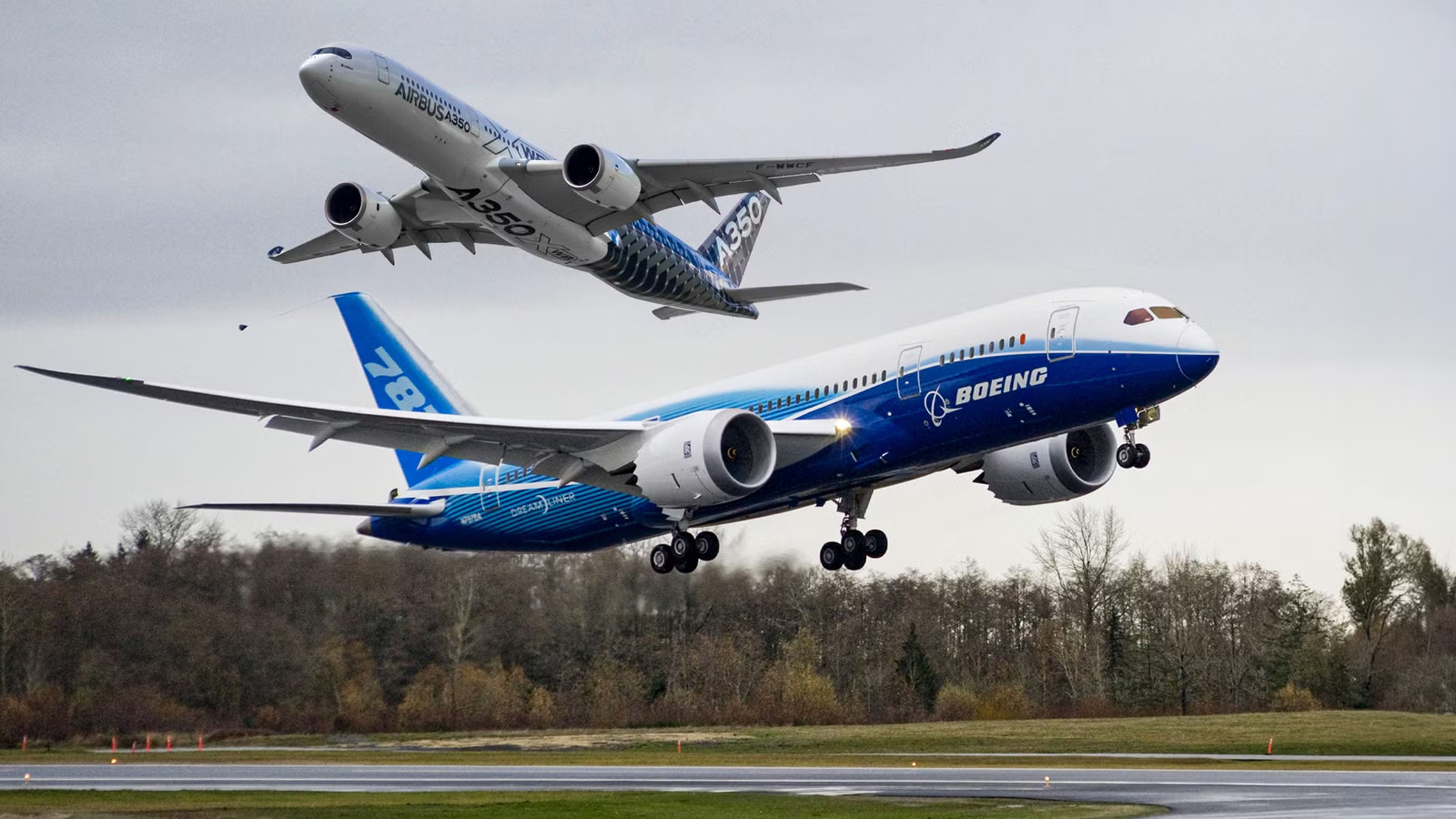
Boeing’s decision not to pursue development of a new 757 stemmed primarily from significant weight concerns, rendering it economically unviable when considered against competing aircraft designs. The existing 757 model proved excessively heavy, creating substantial operational challenges for potential customers. This excessive weight directly impacted fuel efficiency and overall cost-effectiveness relative to newer, lighter jets available on the market at that time. Boeing prioritized developing larger twin-engine models like the 787 Dreamliner which offered improved performance characteristics. Consequently, the company strategically focused its resources on these more profitable ventures, effectively ending any serious consideration for a successor to the 757.
Continue reading at simpleflying.com
This PlaneNews briefing summarizes reporting originally published by simpleflying.com.
Read the original article →