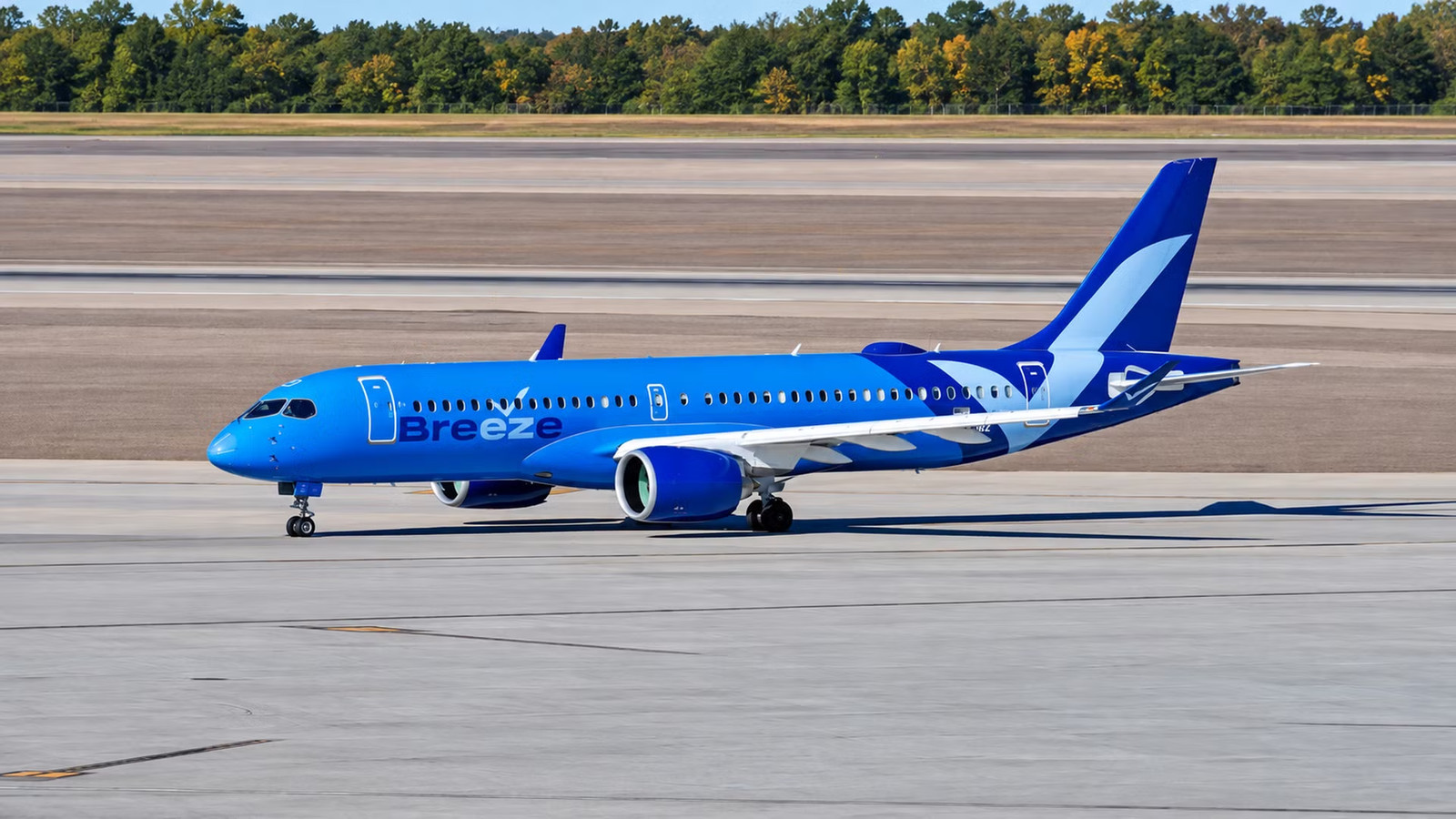
The Boeing X-43, formally known as the flying wing, represented an ambitious attempt to revolutionize commercial air travel in the late 1980s. This 172-foot long aircraft was a tailless design intended to achieve greater fuel efficiency through reduced drag. Early test flights were plagued by significant challenges primarily centered around yaw instability and limitations within the vehicle’s control systems. Pilots struggled to maintain stable flight due to these inherent difficulties associated with the unconventional aerodynamic configuration. Ultimately, despite initial promise, the project faced insurmountable hurdles preventing its development into a viable commercial airliner.
Continue reading at simpleflying.com
This PlaneNews briefing summarizes reporting originally published by simpleflying.com.
Read the original article →