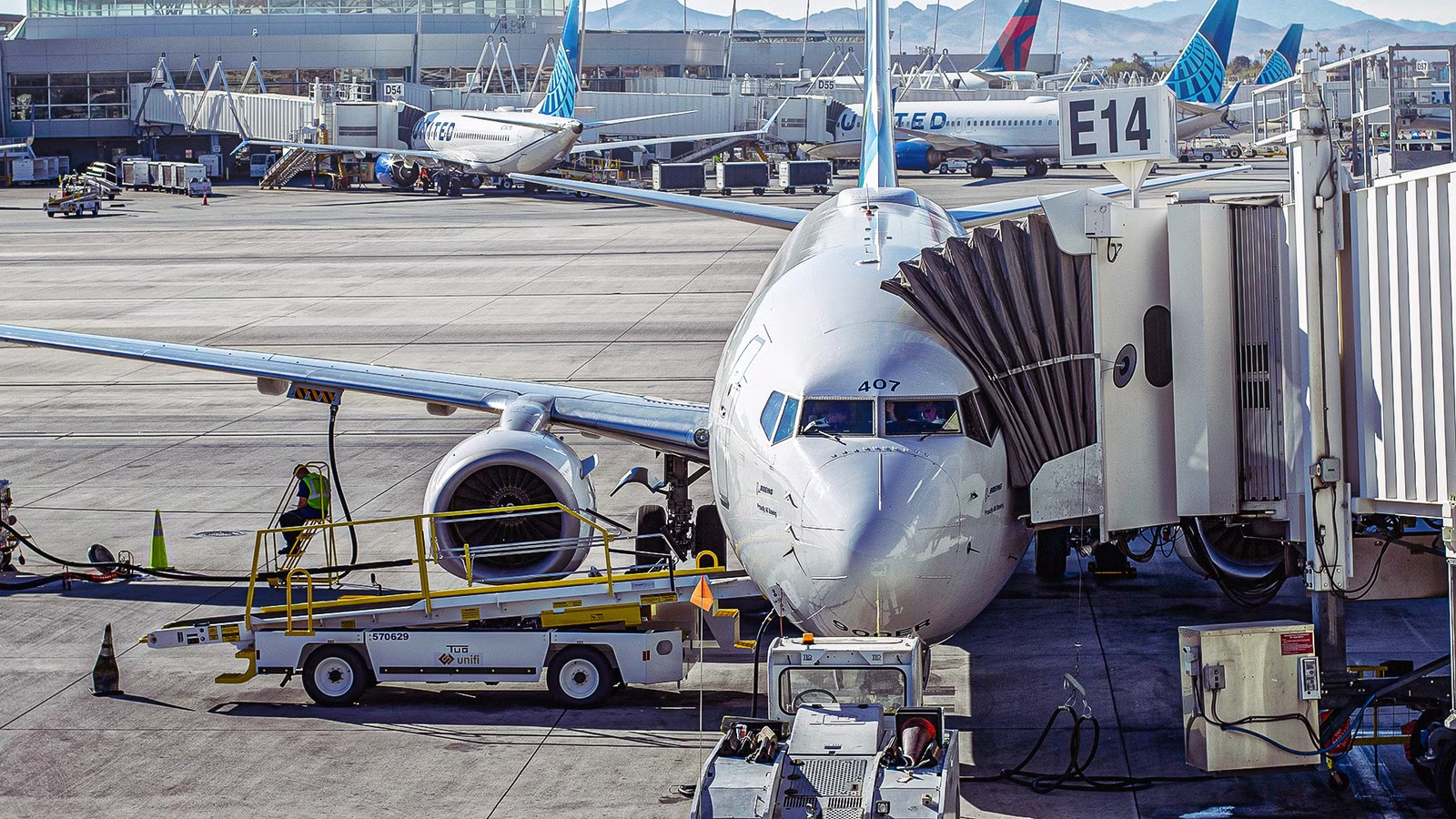
Boeing’s decision to extend the 737 platform to accommodate increased passenger demand has resulted in an aircraft more prone to becoming tail-heavy than comparable models. This shift in weight distribution stems directly from specific design alterations implemented during this expansion process. These changes, primarily related to the larger fuselage and extended wingspan of the 737 MAX variants, contributed significantly to the imbalance. Consequently, the 737 MAX experienced difficulties maintaining pitch control under certain conditions. Investigations have focused on these design choices as a key factor contributing to recent incidents involving Boeing's flagship jetliner.
Continue reading at simpleflying.com
This PlaneNews briefing summarizes reporting originally published by simpleflying.com.
Read the original article →