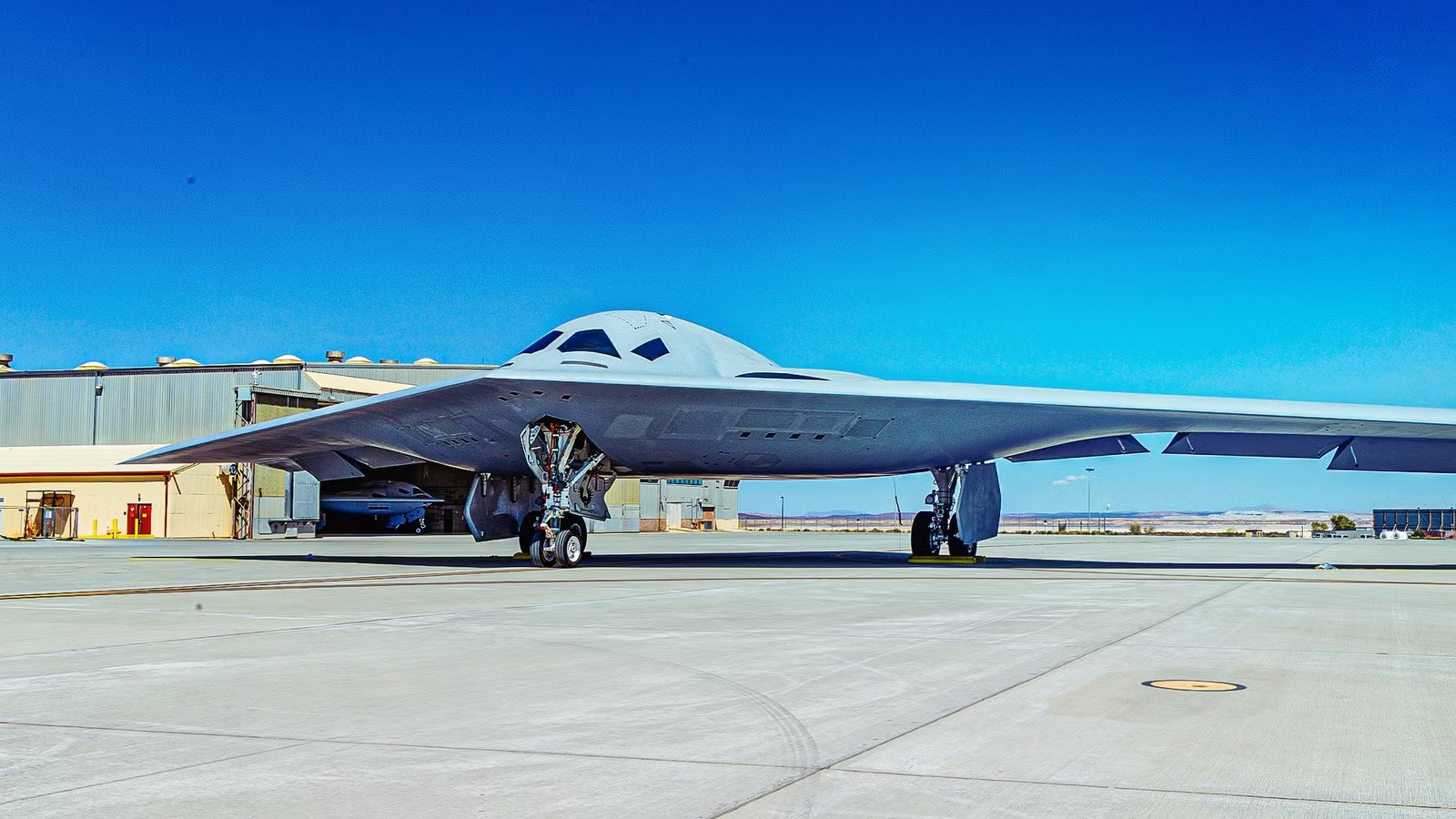
The Northrop Grumman B-21 Raider’s distinctive flying wing design presents significant challenges to aircraft maintenance, primarily due to its complex geometry and limited accessibility. Engineers have identified a need for specialized tooling and procedures to effectively inspect and repair the aircraft’s surfaces, leading to increased operational costs. This unique shape also impacts crew training requirements, necessitating extensive simulator time to familiarize pilots with the unconventional control system. The design's aerodynamic characteristics offer advantages in terms of stealth and range but introduce complexities regarding structural integrity and potential vulnerability. Currently, the Air Force is evaluating strategies to mitigate these tradeoffs while maximizing the B-21 Raider’s capabilities across diverse mission scenarios.
Continue reading at simpleflying.com
This PlaneNews briefing summarizes reporting originally published by simpleflying.com.
Read the original article →