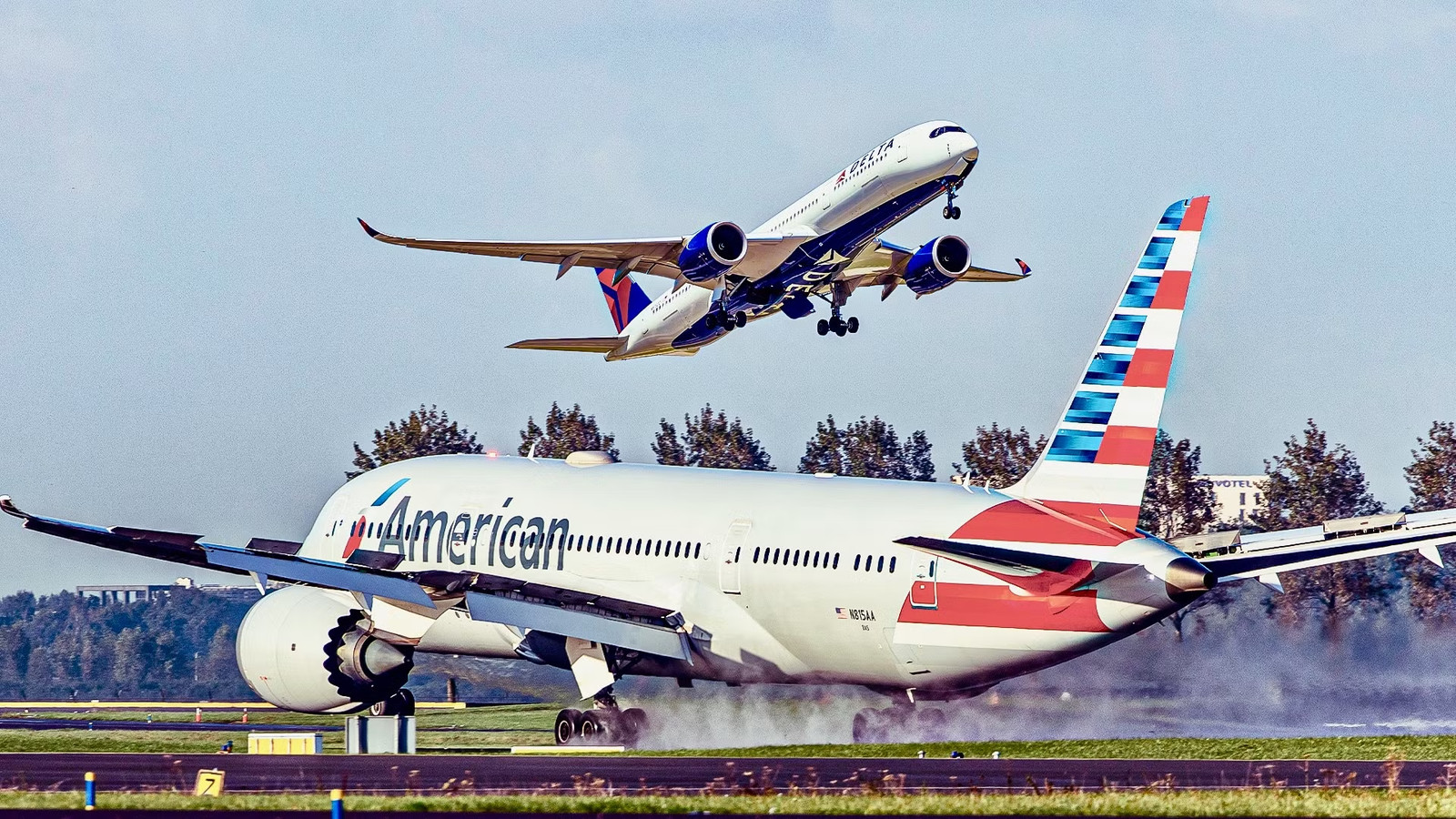
Boeing and Airbus represent significant innovators in aerospace, each pursuing distinct strategies to leverage advanced composite materials. Both companies have demonstrably driven remarkable progress within the industry by adopting novel approaches to aircraft design and construction. Specifically, Airbus selected carbon fiber for the fuselage of its A350 XWB program while Boeing opted for composite barrels on the 787 Dreamliner. This divergence highlights differing engineering philosophies regarding material selection and structural implementation. The competition between these two giants has undeniably spurred technological development across the aviation sector, pushing boundaries in lightweight construction and fuel efficiency.
Continue reading at simpleflying.com
This PlaneNews briefing summarizes reporting originally published by simpleflying.com.
Read the original article →