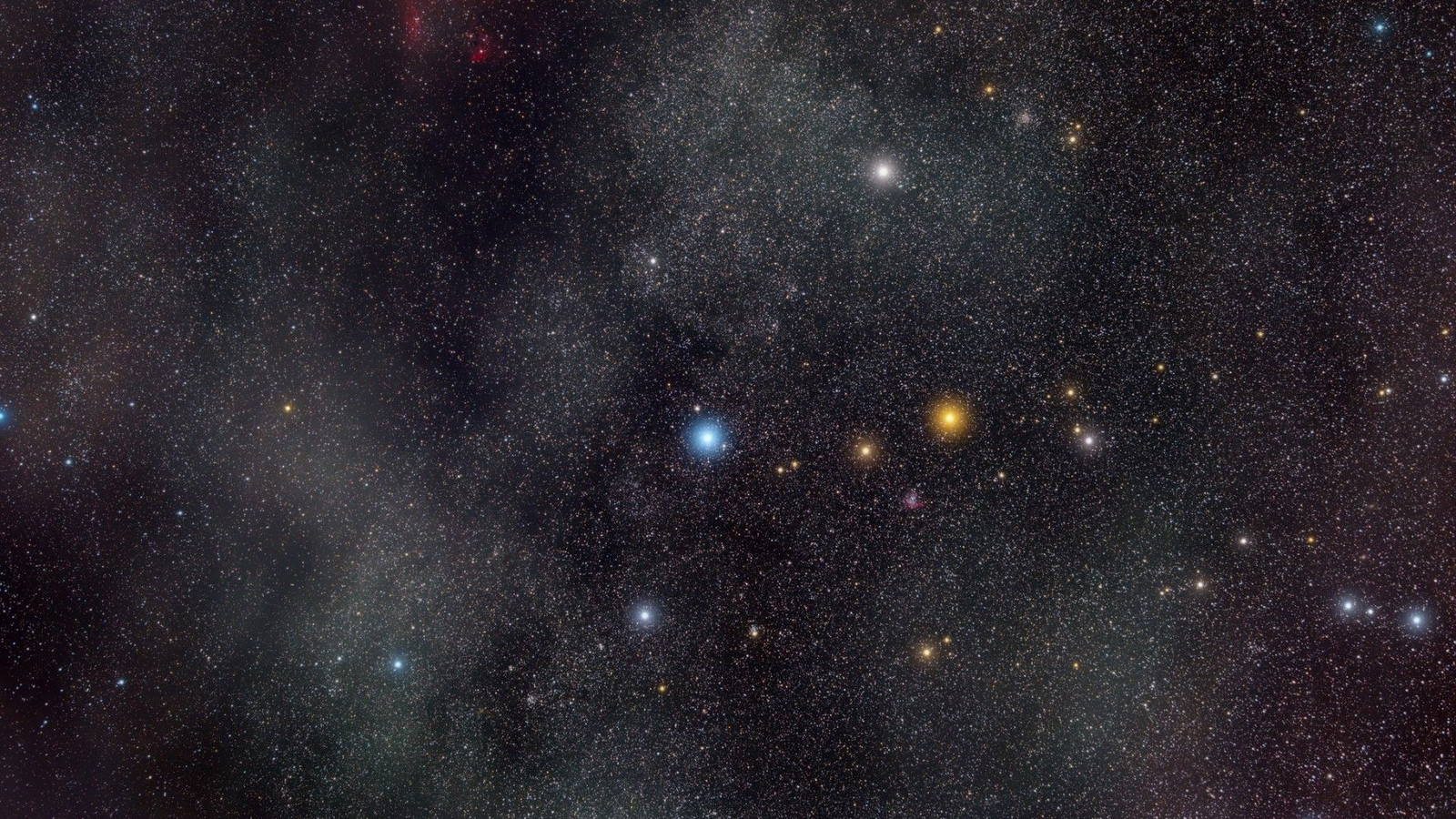
Cassiopeia, a prominent constellation in the Northern Hemisphere, has long been identified by observers as resembling a ‘W’ shape. However, recent observations have revealed that the star pattern can appear as an ‘M’, particularly when viewed through binoculars or telescopes. This phenomenon arises from the relative positions and brightnesses of the stars within the constellation’s distinctive form. The appearance shifts due to perspective and atmospheric conditions affecting light refraction. Astronomers continue to study Cassiopeia, noting its variability in visual perception across different viewing locations and times.
Continue reading at www.space.com
This PlaneNews briefing summarizes reporting originally published by www.space.com.
Read the original article →