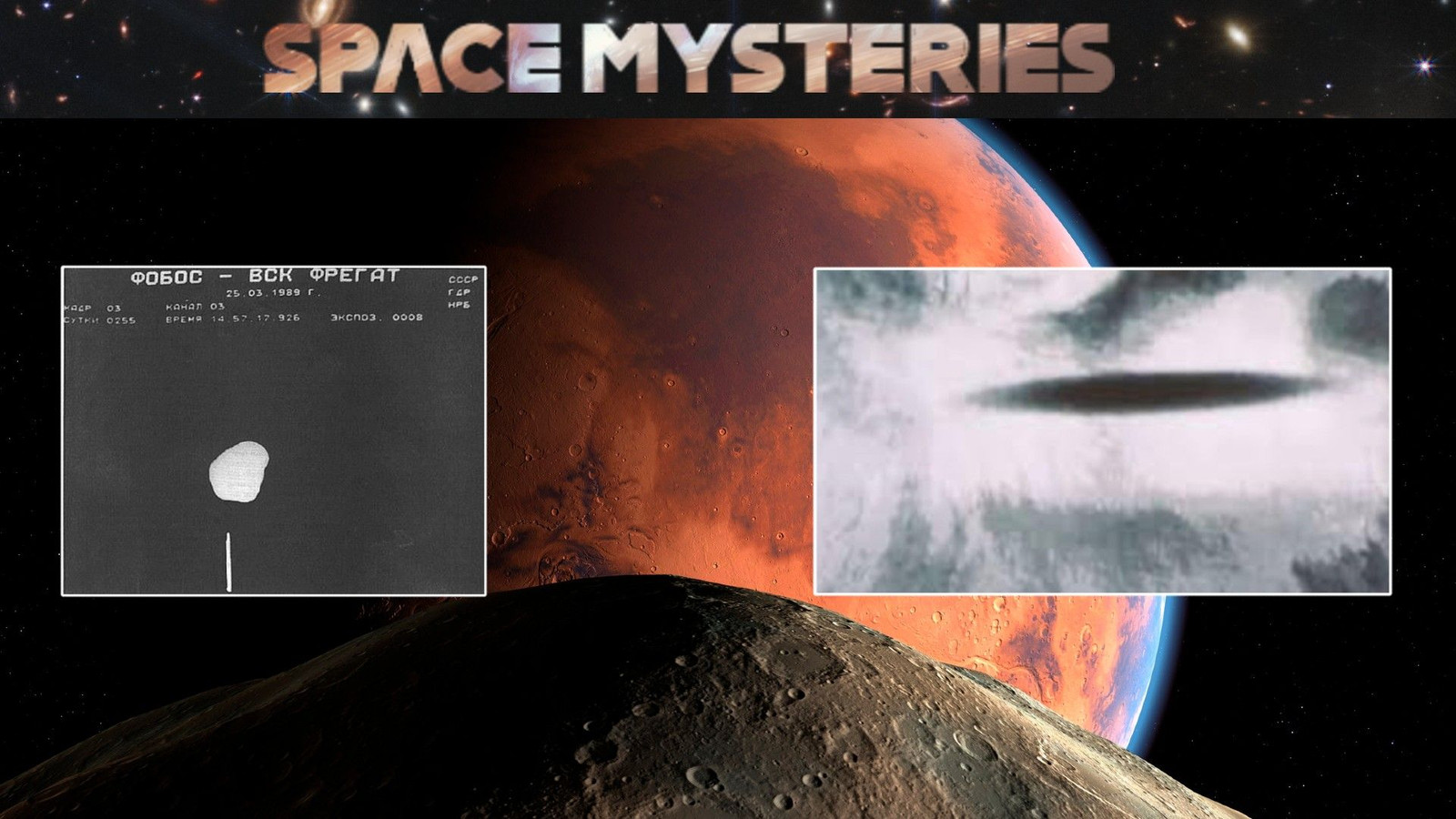
The Soviet Union’s Phobos 2 spacecraft generated considerable speculation following its final observations of Mars due to an unusual shadow detected within the imagery. The probe transmitted data and photographs during its journey between November 1987 and August 1988, culminating in close flybys of both Phobos and Mars. Conspiracy theories emerged suggesting that this anomalous shadow represented evidence of artificial structures or hidden features on the Martian surface. However, official investigations have not substantiated these claims; instead, scientists attribute the shadow to a combination of factors including dust accumulation and the probe's limited resolution capabilities. Despite extensive analysis, no definitive explanation for the shadow has been established by Soviet researchers.
Continue reading at www.space.com
This PlaneNews briefing summarizes reporting originally published by www.space.com.
Read the original article →