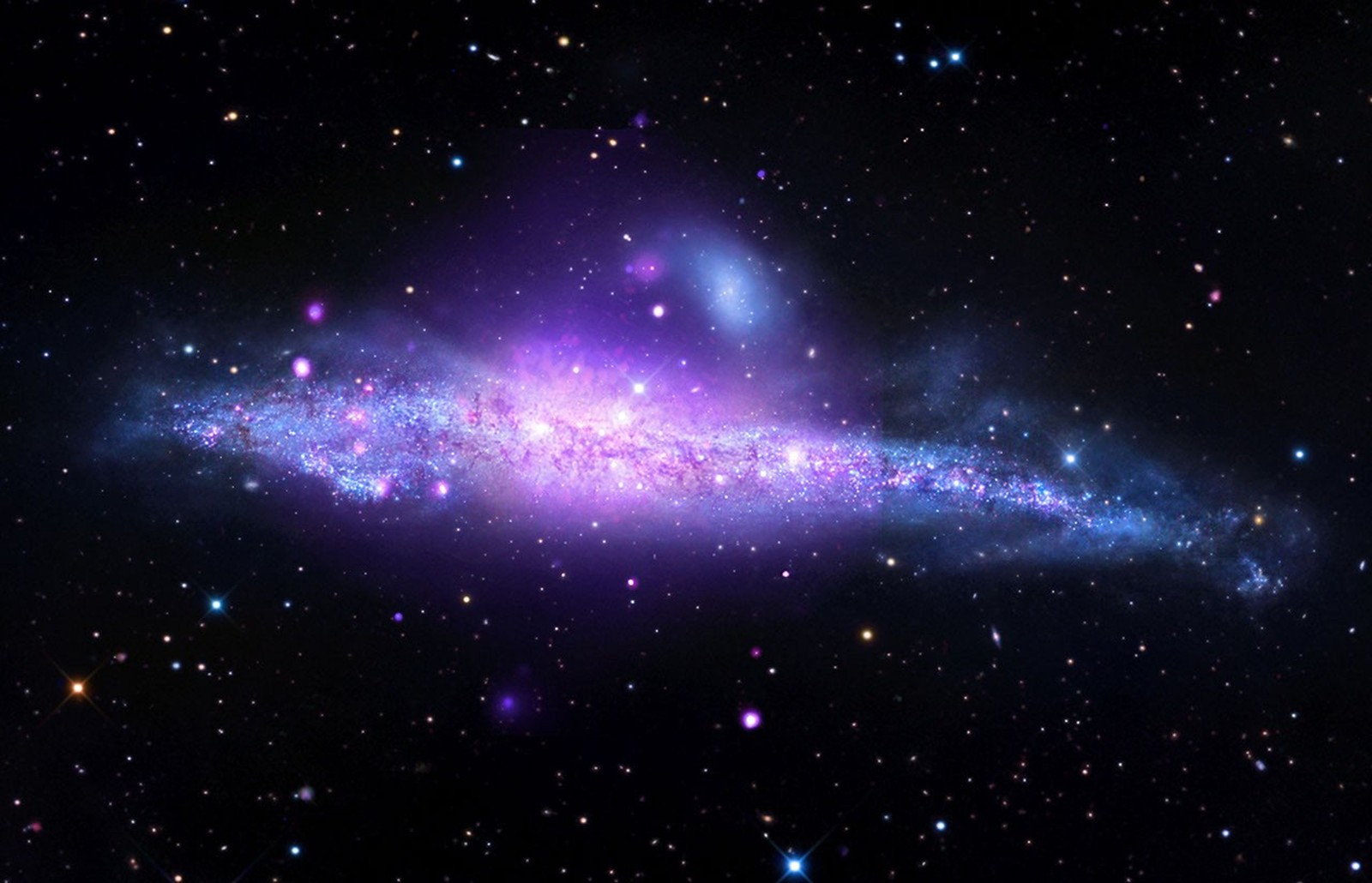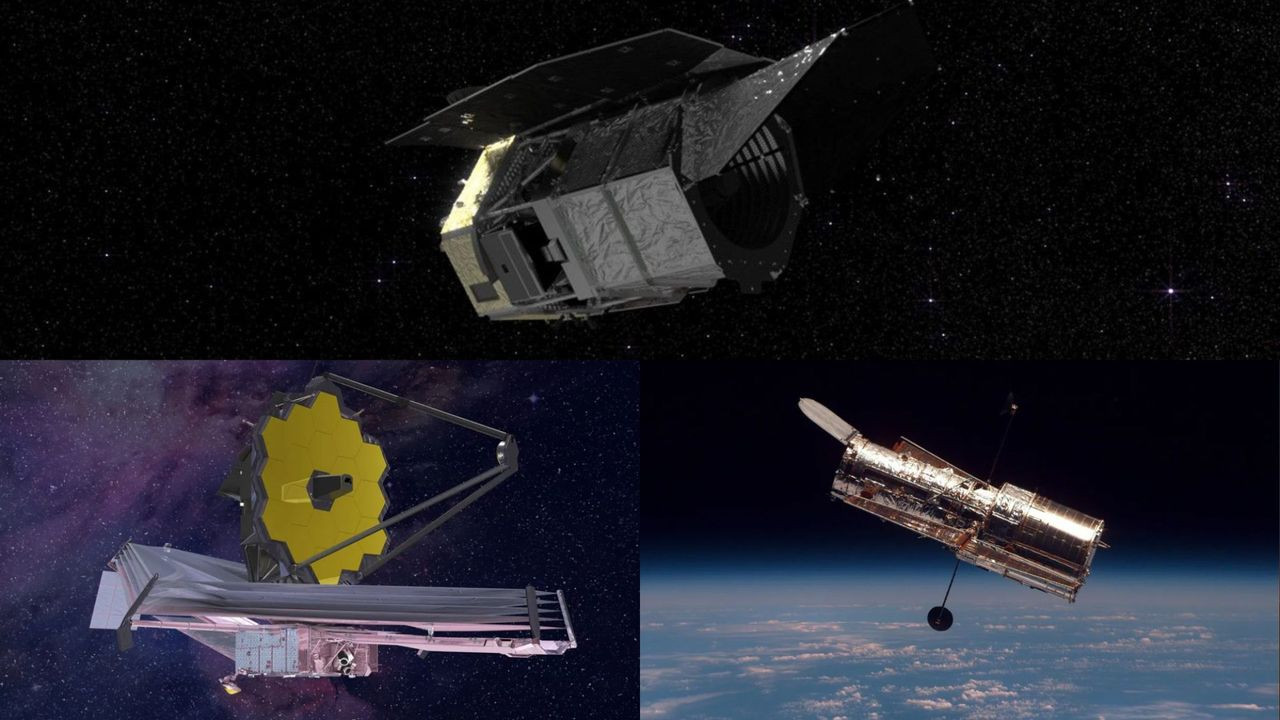
The Roman Space Telescope, slated for launch later this year, promises unprecedented views of the cosmos due to its exceptionally large field of view. This capability surpasses that of both the James Webb Space Telescope (JWST) and the Hubble Space Telescope, allowing it to capture significantly wider areas of space with each observation. Scientists anticipate receiving imagery of such immense scale that current display technologies are inadequate to fully present the data. The telescope’s design prioritizes broad surveys, enabling detailed studies across vast distances previously inaccessible. Researchers believe these observations will fundamentally change our understanding of galactic evolution and dark matter distribution.
Continue reading at www.space.com
This PlaneNews briefing summarizes reporting originally published by www.space.com.
Read the original article →