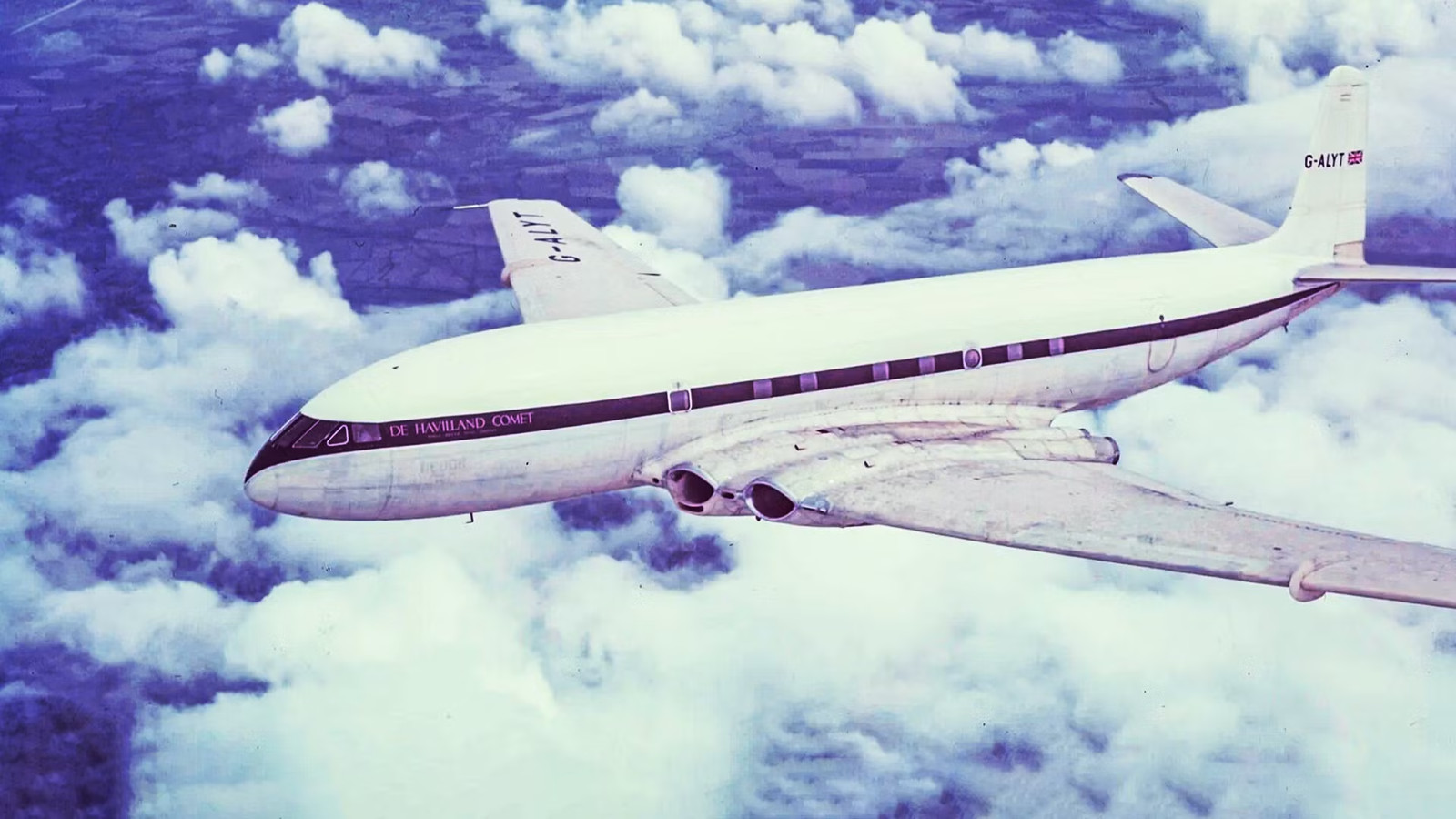
The de Havilland Comet, introduced in 1949 by British Aircraft Corporation (BAC), initially represented a groundbreaking achievement in aviation history as the world's first commercially available jet airliner. However, a series of catastrophic failures plagued the aircraft throughout its operational lifespan, primarily due to metal fatigue issues related to the pressurization system. These incidents resulted in ten fatal crashes involving Comets between 1952 and 1953, significantly impacting public confidence in the technology. Following these devastating accidents, BAC grounded the Comet fleet for extensive modifications and redesign work. Ultimately, the Comet’s early demise marked a cautionary tale within the nascent commercial jet age.
Continue reading at simpleflying.com
This PlaneNews briefing summarizes reporting originally published by simpleflying.com.
Read the original article →