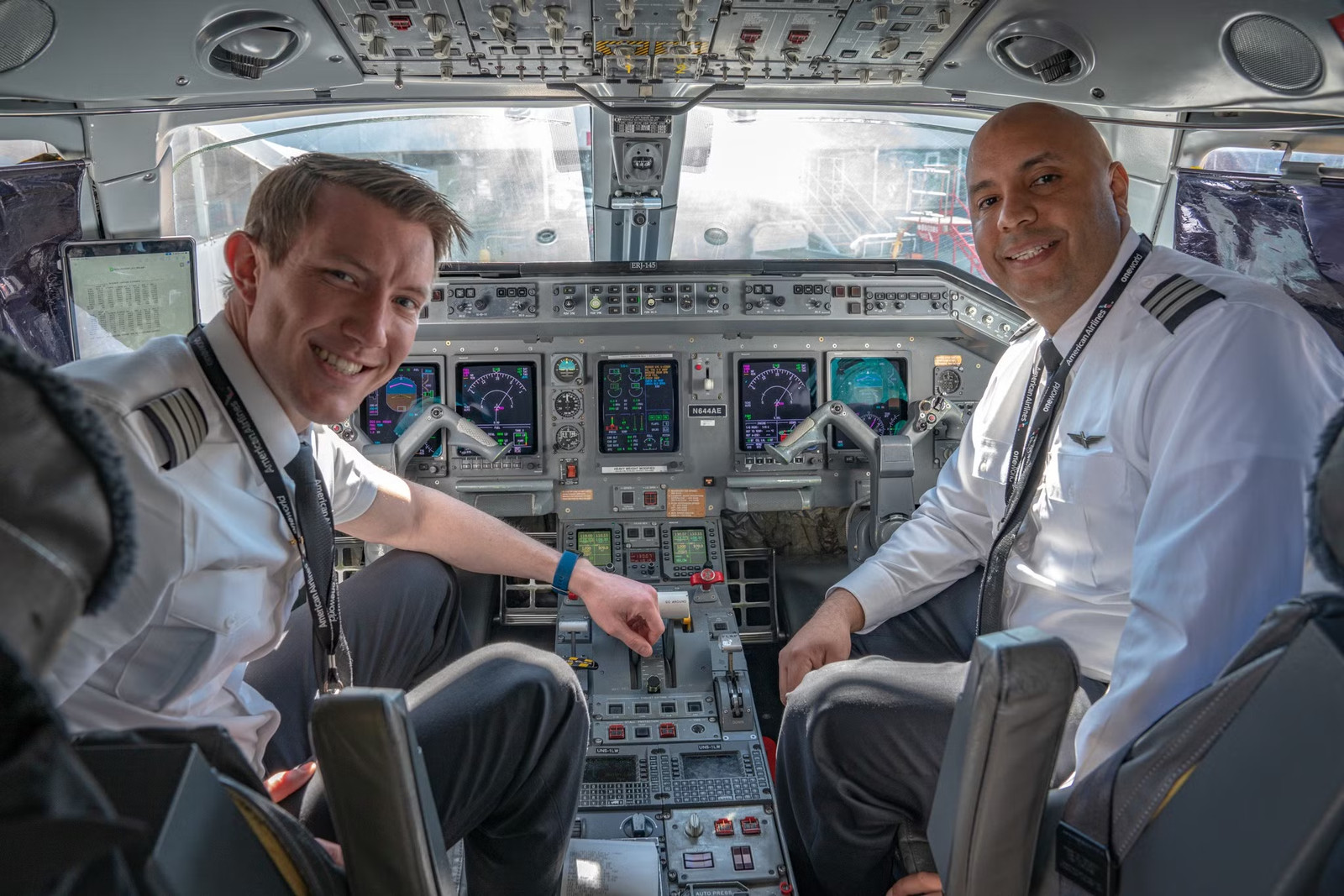
During commercial flights, the captain is ultimately responsible for the safety of the aircraft and its passengers. The captain holds the legal authority to make decisions regarding flight operations, navigation, and overall control. Conversely, the first officer assists the captain in all aspects of flight management, including monitoring instruments and executing commands. Traditionally, pilots have progressed through a series of training stages culminating in the role of captain after demonstrating sufficient experience and skill. This hierarchical structure ensures a clear chain of command and accountability within the cockpit environment.
Continue reading at simpleflying.com
This PlaneNews briefing summarizes reporting originally published by simpleflying.com.
Read the original article →