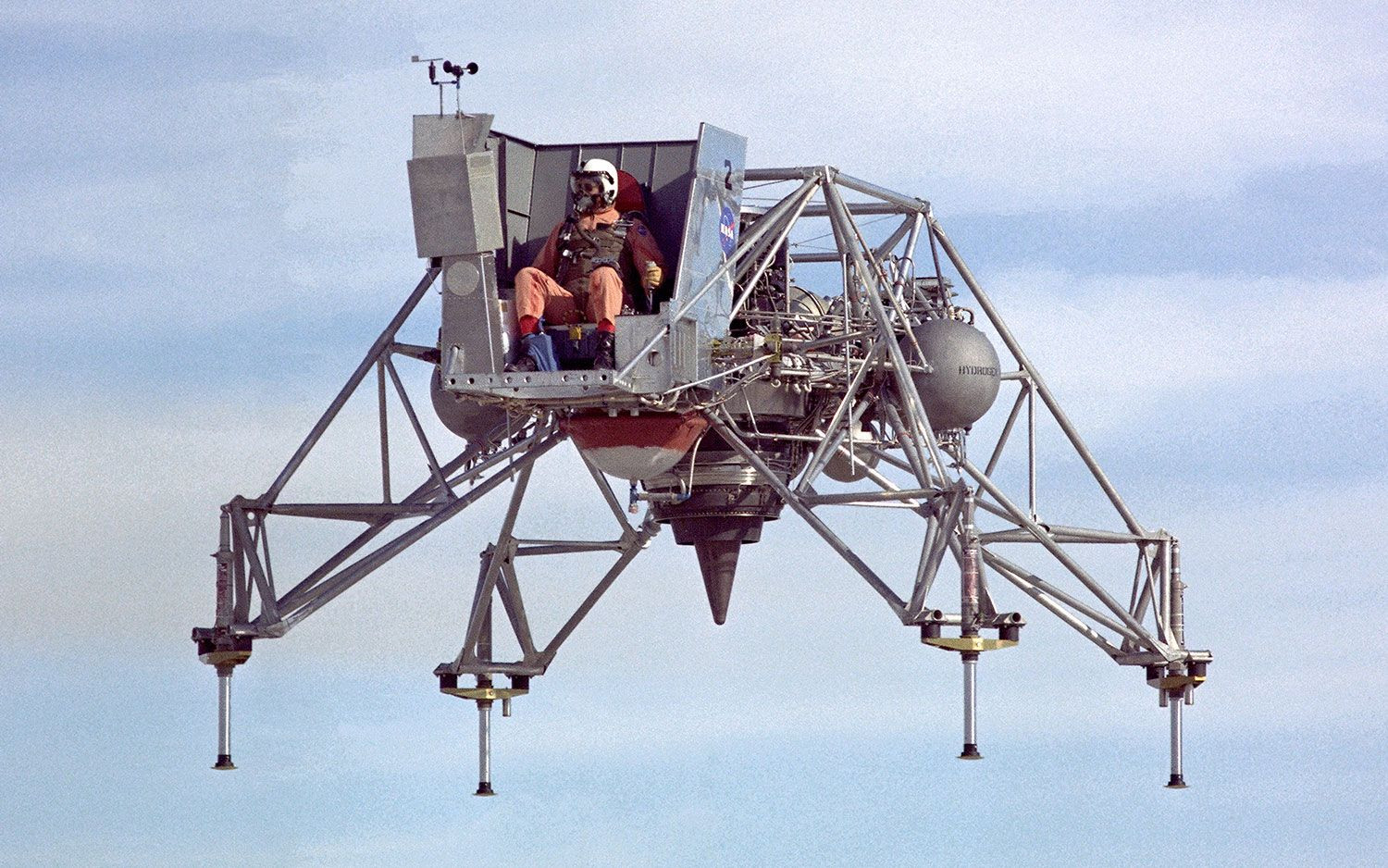
NASA conducted its inaugural flight of the Lunar Landing Research Vehicle (LLRV) on October 30, 1964, marking a significant step in preparations for the Apollo program. This experimental vehicle was designed specifically to aid astronauts during lunar landings by simulating various descent scenarios. Tests were carried out at High Plains Test Facility near Amarillo, Texas, where engineers evaluated the LLRV’s performance under simulated landing conditions. The primary goal of this initial test flight was to gather crucial data regarding the vehicle's handling characteristics and stability during descent maneuvers. Data collected from these tests directly informed design modifications and operational procedures intended to ensure safe and successful moon landings.
Continue reading at www.space.com
This PlaneNews briefing summarizes reporting originally published by www.space.com.
Read the original article →