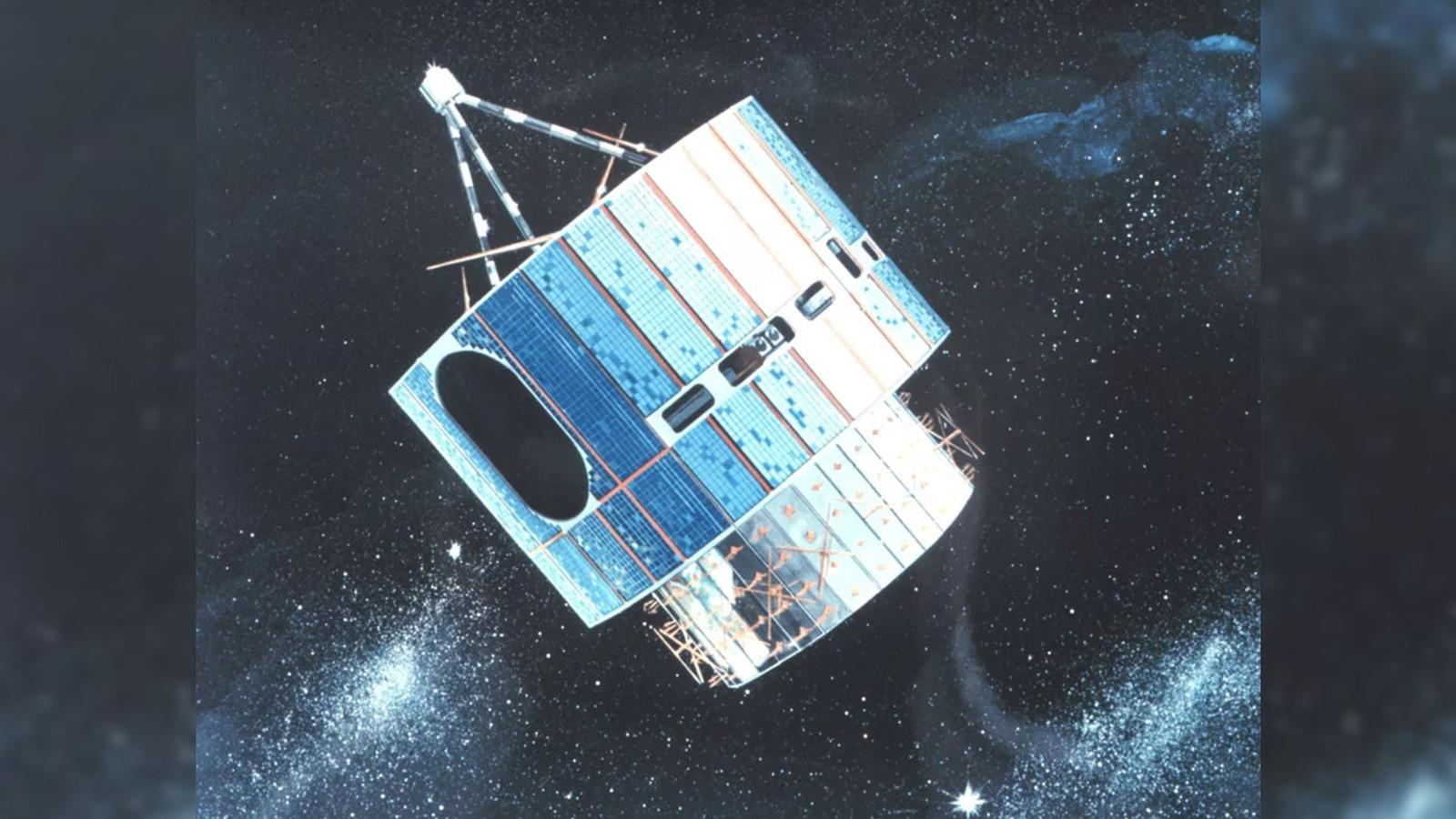
The National Aeronautics and Space Administration (NASA) successfully launched its inaugural Geostationary Operational Environmental Satellite – GOES – on October 16, 1975, marking a pivotal moment in meteorological technology. This initial GOES satellite was deployed from Cape Canaveral Air Force Station in Florida, initiating continuous monitoring of Earth’s weather patterns from geostationary orbit. The primary objective of this mission was to provide real-time data for forecasting severe weather events such as hurricanes and thunderstorms. Data collected by the GOES satellite significantly improved the accuracy and timeliness of warnings issued to communities across North America. This launch represented a critical advancement in utilizing space-based assets for environmental observation and protection.
Continue reading at www.space.com
This PlaneNews briefing summarizes reporting originally published by www.space.com.
Read the original article →