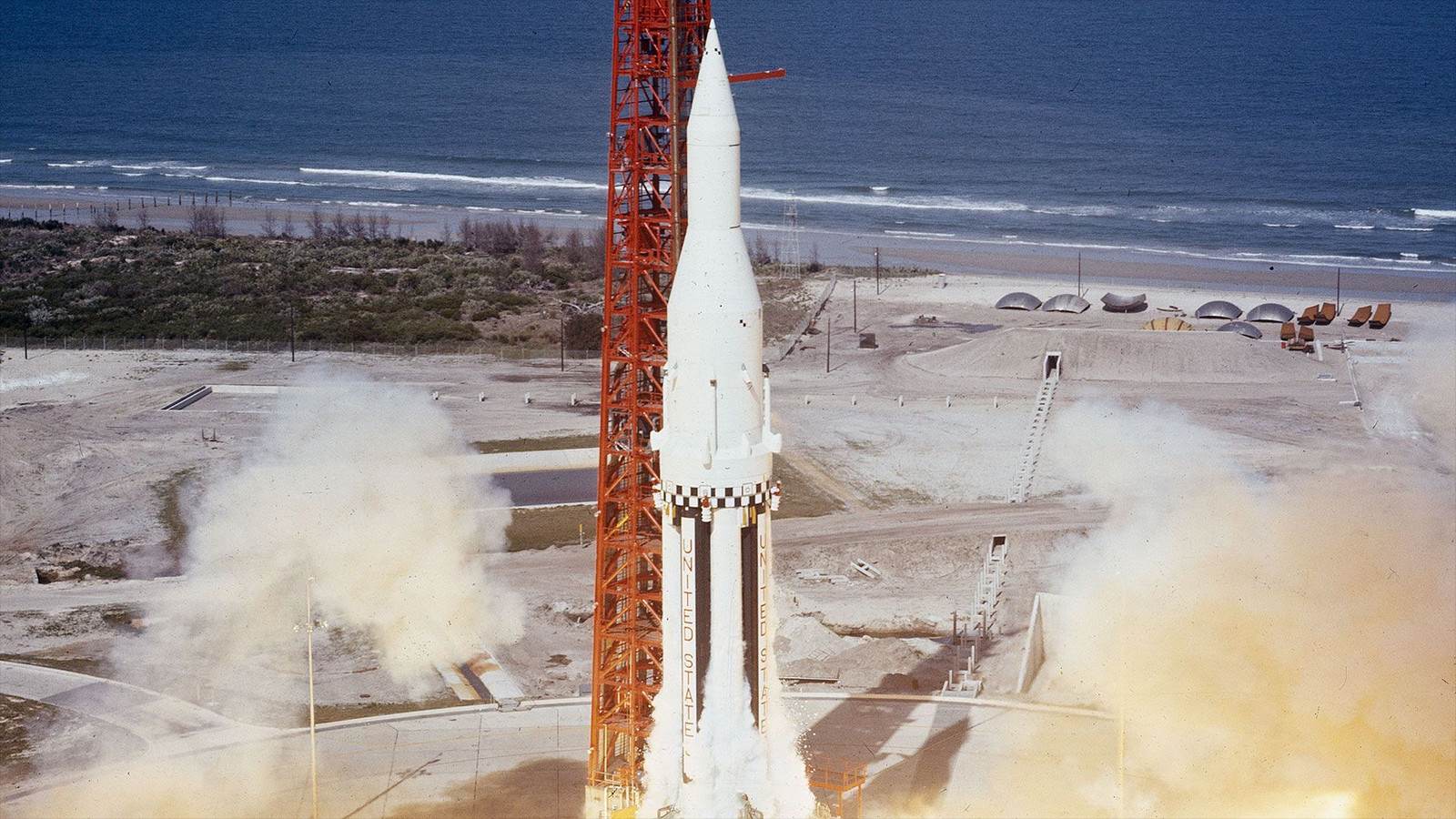
On November 9th, 1967, a pivotal moment occurred in American aerospace history as NASA conducted the inaugural flight of the Saturn V moon rocket under the Apollo 4 mission. This landmark test launch took place from Cape Kennedy, Florida, marking the beginning of humanity’s ambitious endeavor to reach the lunar surface. The unmanned spacecraft ascended to an altitude of approximately 350,000 feet and achieved a maximum speed of roughly 5,200 miles per hour during its two-hour duration. Despite the significant achievement, no human crew was present aboard the Saturn V for this initial demonstration. The successful execution of Apollo 4 provided invaluable data crucial for refining the design and operational procedures of subsequent manned missions destined for the Moon.
Continue reading at www.space.com
This PlaneNews briefing summarizes reporting originally published by www.space.com.
Read the original article →