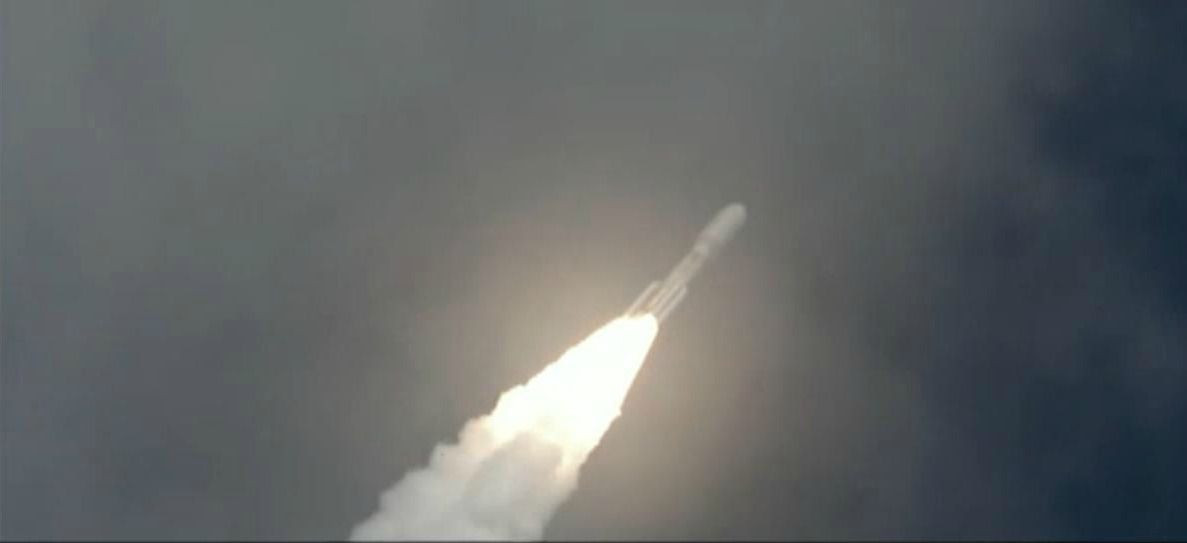
The NASA Curiosity rover successfully launched on November 26, 2011, marking a significant milestone in robotic exploration of our solar system. This ambitious mission aimed to send a two-ton spacecraft to the Red Planet, specifically targeting the Gale Crater region of Mars. The rover was powered by a nuclear reactor, providing continuous energy for its operations and extending its operational lifespan considerably. Scientists hoped to investigate whether Mars ever harbored conditions suitable for microbial life, focusing on examining Martian soil and rock samples. Data collected by Curiosity would contribute significantly to understanding the planet’s geological history and potential habitability.
Continue reading at www.space.com
This PlaneNews briefing summarizes reporting originally published by www.space.com.
Read the original article →