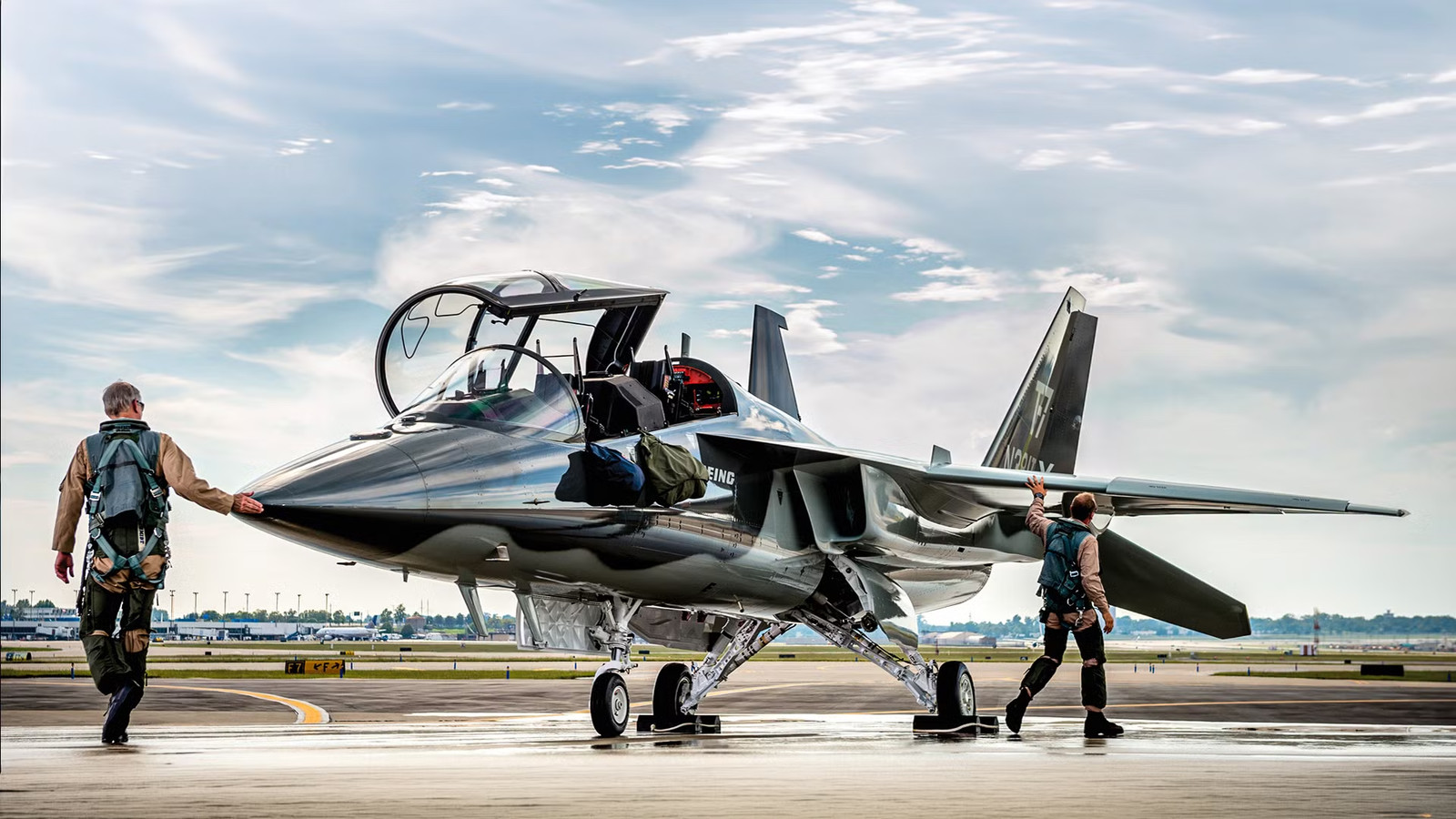
The Boeing T-7A Redhawk completed its development within just three years, representing a significant acceleration in aircraft design and production timelines. This rapid progress was largely due to the extensive use of advanced digital prototyping tools throughout the entire process, from initial concept to final assembly. Specifically, Boeing utilized generative design techniques and virtual reality simulations to optimize the T-7A’s aerodynamic performance and structural integrity. However, despite these technological advancements, challenges emerged during the testing phase, revealing limitations associated with relying solely on digitally created models. These issues ultimately highlighted the continued need for physical flight tests and hands-on engineering expertise alongside sophisticated software solutions.
Continue reading at simpleflying.com
This PlaneNews briefing summarizes reporting originally published by simpleflying.com.
Read the original article →