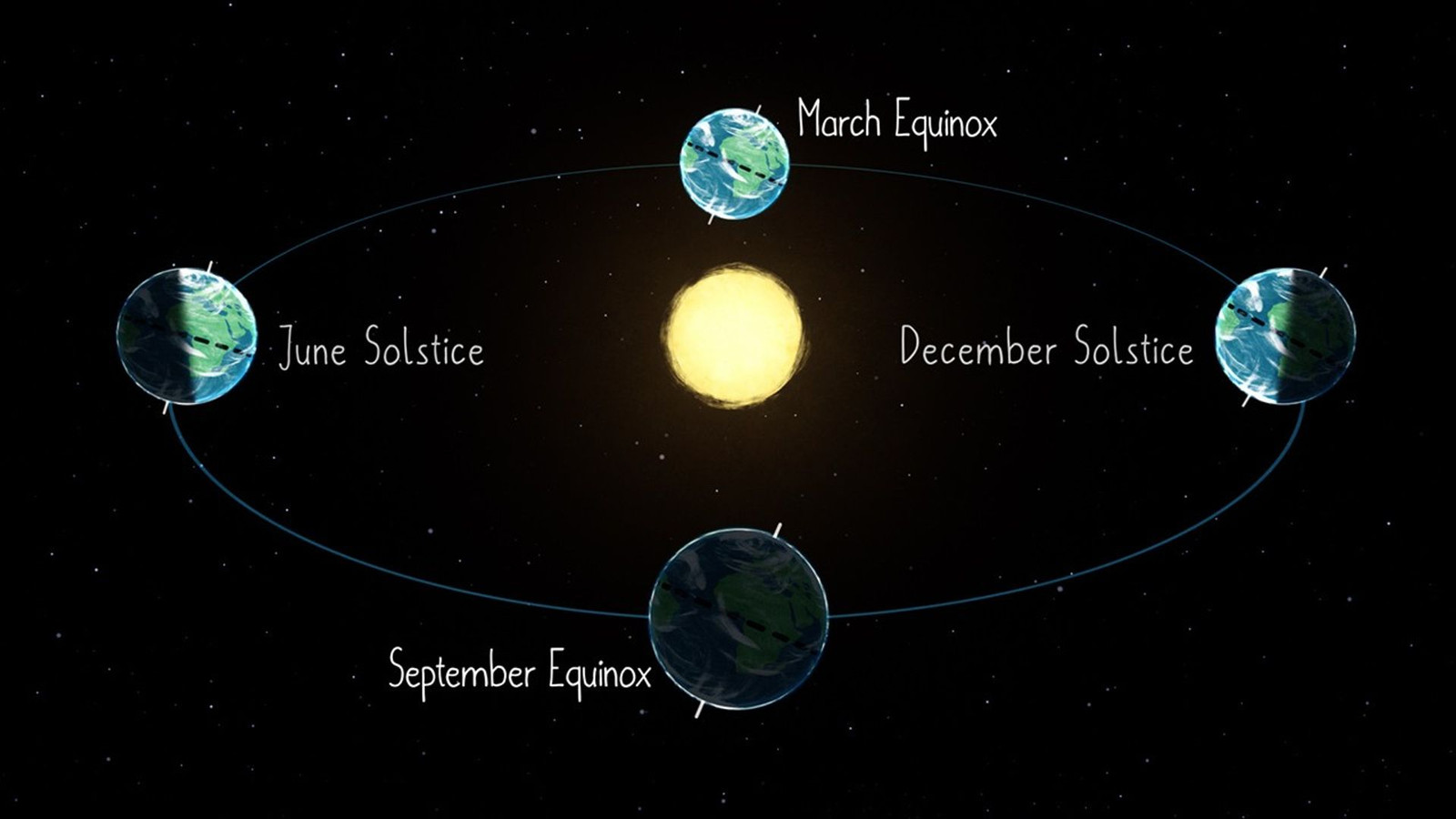
The equinoxes represent a significant historical milestone for human observation of celestial events, dating back to early astronomical practices. Across numerous locations globally, ancient observatories meticulously tracked these seasonal transitions, primarily focusing on both equinoxes and solstices. This practice served as an initial development within humanity's long-standing toolset for understanding and forecasting changes in daylight hours. The perception of equinoxes varies geographically, often associated with shifts toward longer nights or increased sunlight depending on location. Modern advancements continue to build upon this foundational knowledge established by past observations.
Continue reading at www.nasa.gov
This PlaneNews briefing summarizes reporting originally published by www.nasa.gov.
Read the original article →