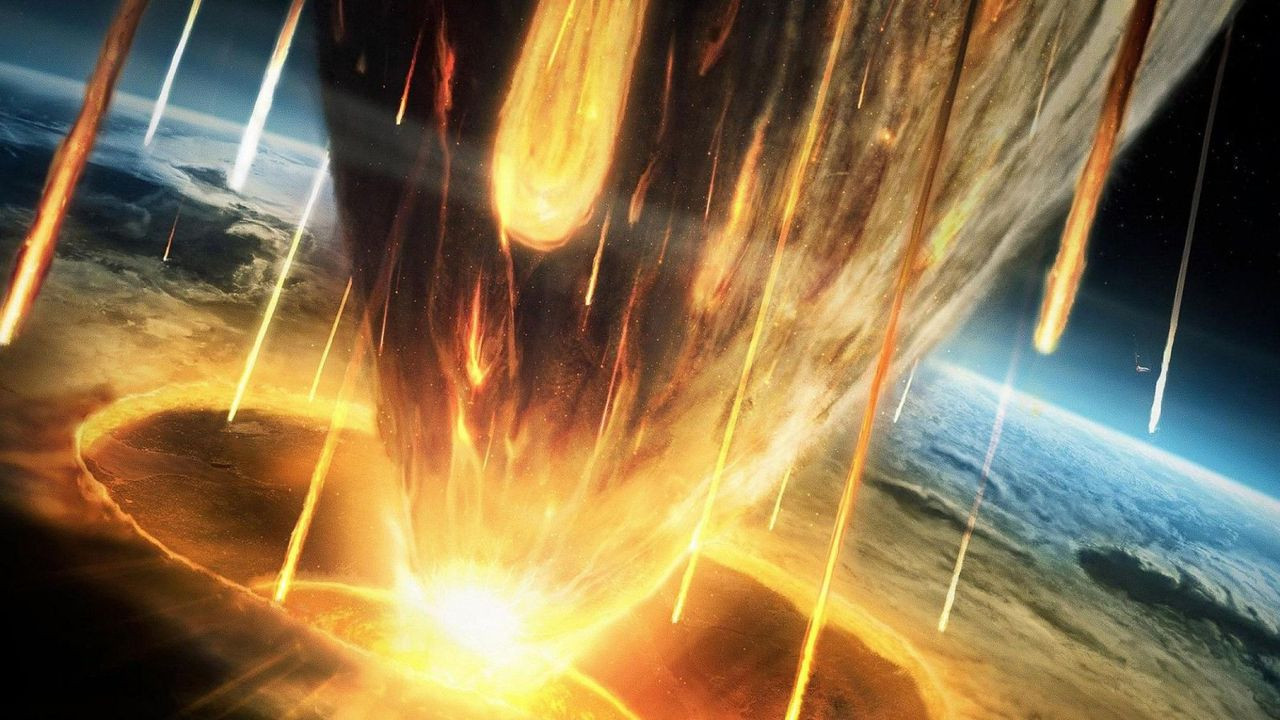
Research indicates that the extinction event marking the Cretaceous–Paleogene boundary was far more immediate and devastating than previously understood. Scientists analyzing samples from the Tanis site in North Dakota discovered a layer of ultrafine impact debris, suggesting a rapid response following the Chicxulub impactor’s arrival. This material ignited with extraordinary intensity, generating firestorms estimated to be seventeen times hotter than the thermal limit lethal to humans. The resulting heat would have rapidly consumed organic matter across vast areas. Consequently, the dinosaurs likely perished quickly due to these intense fires rather than prolonged environmental conditions.
Continue reading at www.space.com
This PlaneNews briefing summarizes reporting originally published by www.space.com.
Read the original article →