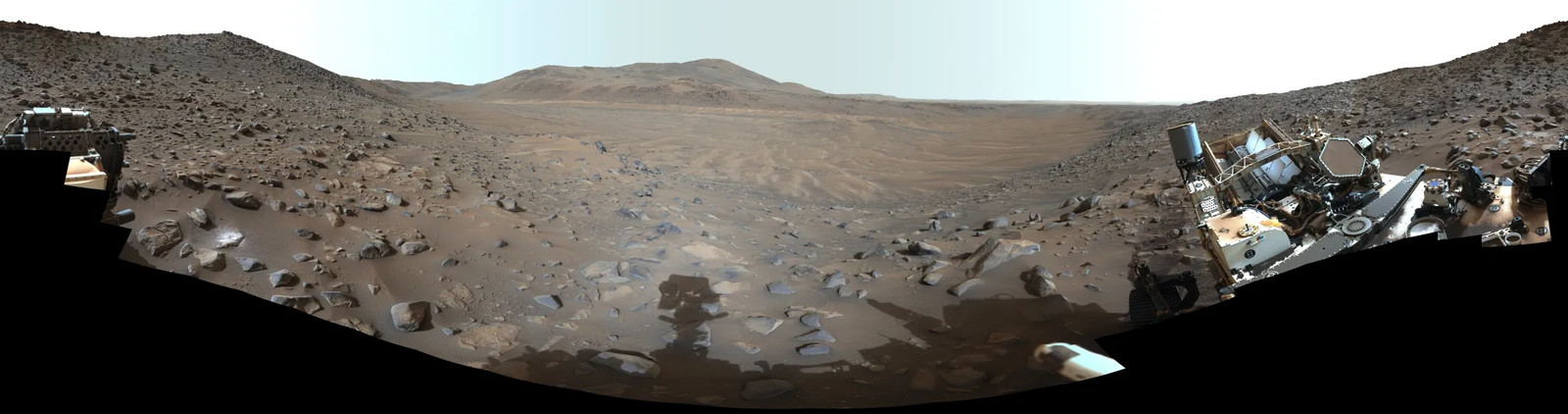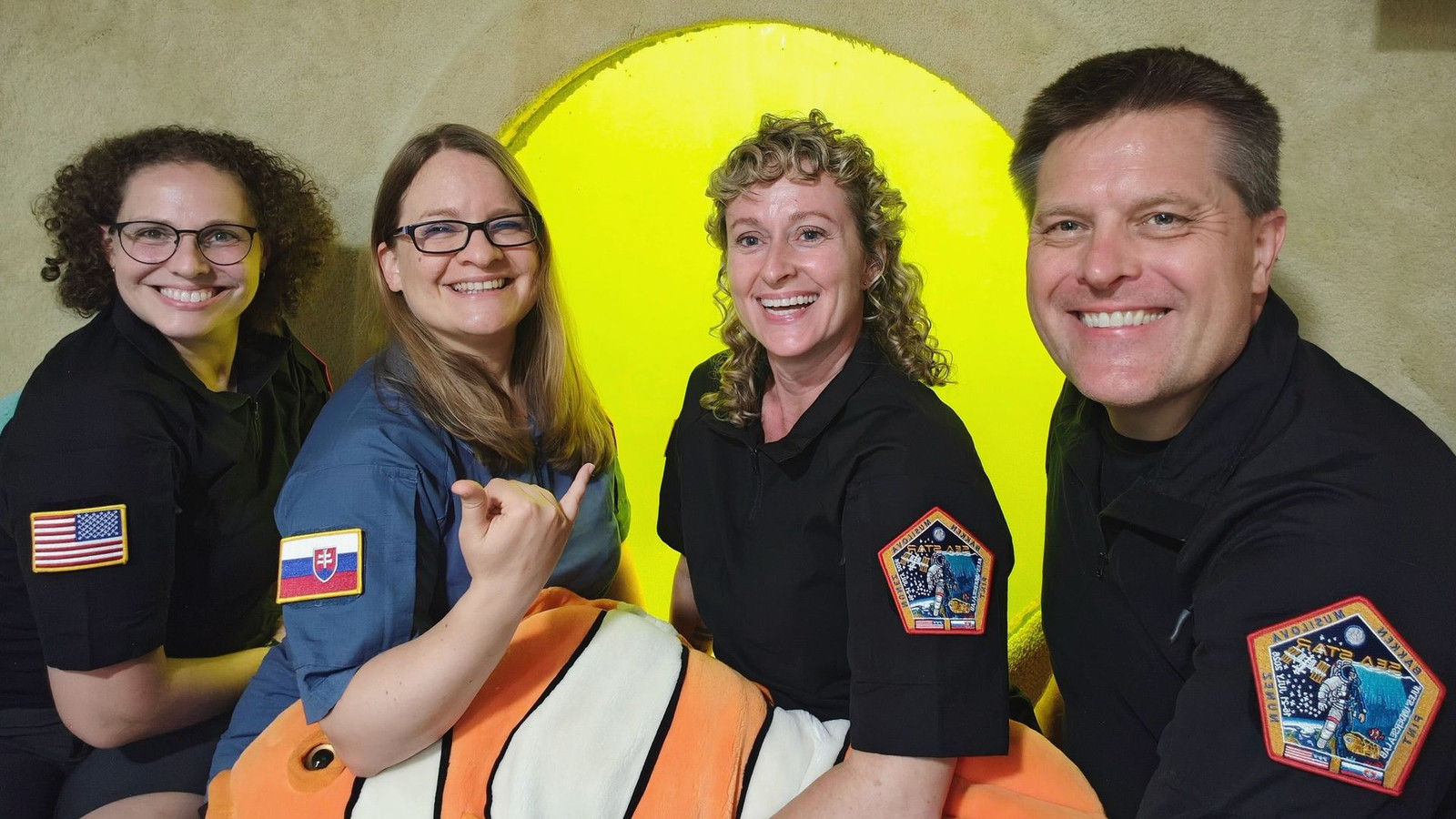
Researchers are exploring the potential of analog environments, specifically undersea habitats, to simulate conditions encountered during long-duration space missions. The Analog Astronaut Program at NASA’s Johnson Space Center is investigating how prolonged stays in isolated, confined spaces like the Neutral Buoyancy Laboratory (NBL) impact human physiology and psychology. Scientists have observed that individuals residing within these simulated environments experience changes in bone density, muscle mass, and cardiovascular function mirroring those seen in microgravity. These alterations demonstrate a need for countermeasures to mitigate the detrimental effects of extended periods outside Earth's gravity. Data collected from this program will inform strategies for maintaining astronaut health throughout future deep-space exploration endeavors.
Continue reading at www.space.com
This PlaneNews briefing summarizes reporting originally published by www.space.com.
Read the original article →